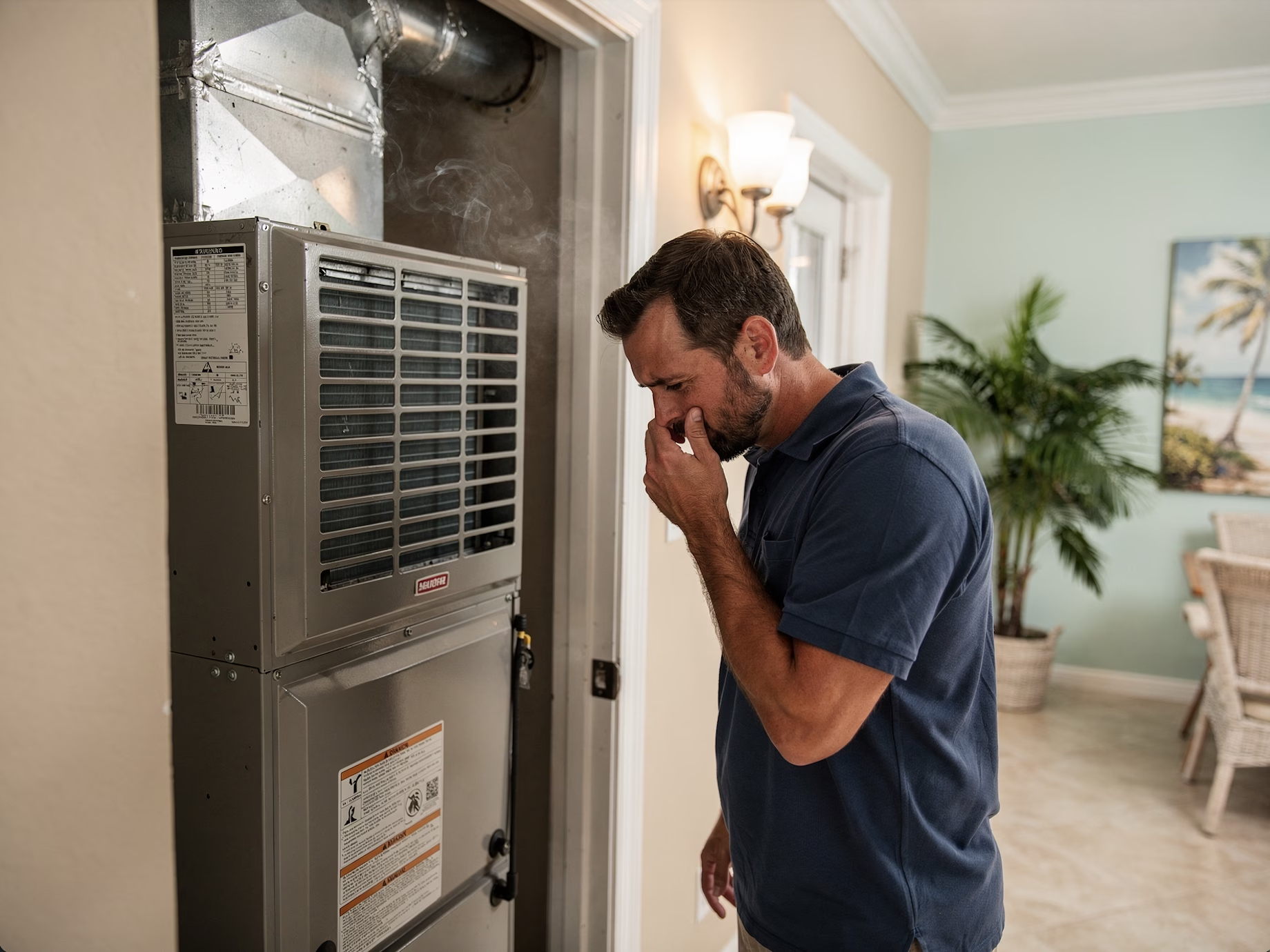
As the colder months approach, many homeowners fire up their heating systems for the first time in months. While it’s a welcome relief to warm your home, your Heating, Ventilation, and Air Conditioning (HVAC) system can sometimes produce odd odors when the heating system starts. Paying attention to these heating system odor warning signs can help you maintain comfort, prevent damage, and protect your family’s health. Let’s explore the most common smells you may notice during the first-time heating season in Tampa homes and what they could mean.
5 Heating System Smells and What They Could Mean
When you turn on your heater for the first time this season, you may notice a few unusual odors. Some are harmless, while others could signal maintenance or safety issues. Consider the following:
1. Dusty or “Burning Dust” Smell
It’s common to notice a dusty or slightly burning smell when turning on your heater for the first time after a long period of disuse. This usually happens because dust has settled on heating elements or ductwork over the summer. When the system starts, the heat burns off the dust, producing a temporary odor.
What to do: If the smell disappears after a few hours, it’s generally nothing to worry about. To minimize the odor in the future, replace your air filters regularly and schedule routine duct cleaning to remove accumulated dust.
2. Rotten Egg or Sulfur Smell
A gas smell when the furnace starts often resembles rotten eggs or sulfur and can indicate a natural gas leak—a potentially dangerous situation.
What to do: Leave your home immediately and contact your gas company or a licensed HVAC technician. Do not attempt to fix a gas leak yourself, and avoid using electrical switches, wired phones, or open flames until the situation is resolved. Safety should always come first.
3. Musty or Moldy Odor
A musty smell from heater ducts in Florida could signal mold or mildew growth in the ducts, on the evaporator coil, or within the system itself. High humidity, water leaks, or condensation in ductwork can create the perfect environment for mold growth.
What to do: Never ignore a musty odor. Have a professional HVAC technician inspect your system for mold and address any moisture issues. Mold can affect indoor air quality and trigger allergic reactions or respiratory issues.
4. Burning Plastic or Electrical Smell
If you notice an electrical burning smell HVAC, it may indicate overheating wires or a failing motor—an urgent issue that can pose a fire risk.
What to do: Turn off your system immediately and call a licensed HVAC professional. Avoid DIY repairs, as electrical components can be dangerous. Regular maintenance helps prevent these issues by identifying worn-out parts before they overheat.
5. Unusual Chemical Smells
Chemical odors, such as paint, fuel, or other harsh scents, may indicate spilled substances near your HVAC unit or deteriorating components. For example, refrigerant leaks in heat pump systems can produce chemical odors and affect efficiency.
What to do: Schedule an inspection with a qualified HVAC technician. Prompt attention can prevent system damage and reduce exposure to harmful chemicals.
Preventative Tips for a Safe, Odor-Free Heating Season
Taking a few preventative steps can help keep your heating system running smoothly and minimize unusual or hazardous odors. If you haven’t already, consider the following:
- Schedule Regular Maintenance: Annual inspections can identify potential problems before they become serious. A technician can clean, lubricate, and adjust components to keep your system efficient.
- Replace Filters Frequently: Dirty air filters restrict airflow, reduce efficiency, and contribute to that “burning dust” smell.
- Keep Ductwork Clean and Dry: Routine cleaning and moisture control prevent mold growth and musty odors.
- Monitor for Unusual Smells: Persistent odors—like a gas smell when furnace starts or electrical burning smell HVAC—should never be ignored. Early detection of gas, mold, or electrical issues can prevent costly repairs.
- Ensure Proper Ventilation: Clear vents and maintain home airflow to reduce stale or lingering odors.
Prepare Your Heating System Before Winter
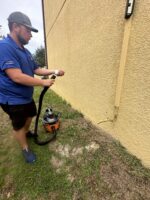
Before turning on your heat for the season, inspect your furnace or heater area for dust, debris, or flammable materials. Clear obstructions from vents and registers, replace old filters, and check that your thermostat functions properly. These pre-winter steps not only minimize first-time heating season smells in Tampa homes but also help extend the life of your system.
Signs Your Heater Needs Service in Florida
Some odors are harmless and temporary, but others indicate serious hazards. Furnace startup smell troubleshooting in New Port Richey can help you identify these issues before they escalate:
- Persistent rotten egg smell → potential gas leak
- Electrical burning smell HVAC → overheating components or failing moto
- Musty odor from heater ducts → mold or moisture problems
- Unusual chemical smells → refrigerant or component issues
Ignoring these heating system odor warning signs can compromise safety, indoor air quality, and system performance.

Contact Us
Turning on your heat should be comforting, not concerning. By paying attention to odd odors when heating system starts, performing regular maintenance, and addressing issues promptly, you can ensure your home stays warm, safe, and comfortable. If you notice persistent or unusual smells, contact Progressive Air Systems today for a thorough inspection. Our experienced team is committed to protecting your home, improving indoor air quality, and giving you peace of mind all season long.